Introduction
Suicide prevention and mental health awareness are essential for building a compassionate and supportive society. Creating awareness about emotional distress, addiction, and the importance of seeking professional help can encourage individuals and families to take timely action when someone is struggling.
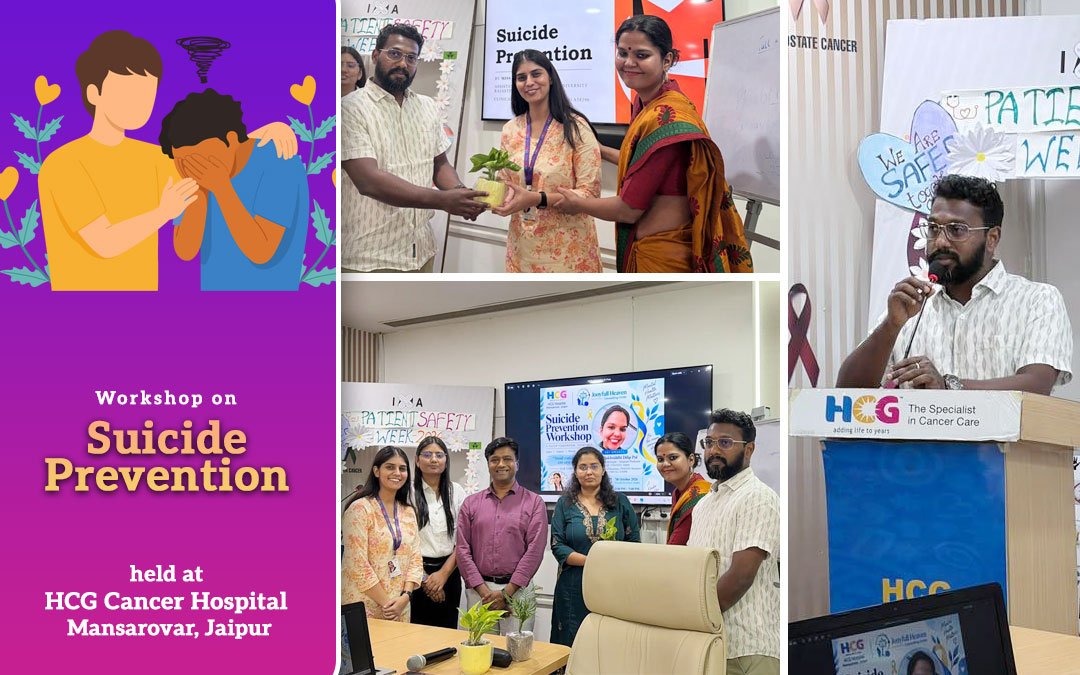
On 7th October 2026, Rev. Fr. Georgish Britto, Director of Nav Jeevan Kendra – De-addiction & Rehabilitation Centre, Jaipur, delivered the inaugural address at a workshop on suicide prevention held at SCG Hospital, a specialist cancer care hospital. Drawing on his experience as an addiction counsellor, he shared valuable insights from the rehabilitation programmes at Nav Jeevan Kendra and highlighted the importance of compassionate care, emotional support, and professional guidance.
The workshop provided an opportunity to emphasise the connection between mental well-being, addiction recovery, and the collective responsibility to support people facing difficult circumstances.
Understanding the Importance of Suicide Prevention Awareness
Suicide prevention requires awareness, empathy, and a willingness to listen without judgment. People experiencing emotional distress may find it difficult to communicate their feelings or ask for help. A supportive environment can make it easier for them to seek assistance.
Awareness programmes and workshops play an important role in helping communities understand the warning signs of emotional distress, challenge harmful misconceptions, and recognise the value of timely professional intervention.
Suicide prevention is not the responsibility of healthcare professionals alone. Families, friends, educational institutions, workplaces, and community organisations can all contribute by encouraging open conversations about mental health and helping people access appropriate support.
Rev. Fr. Georgish Britto Shares Insights from Addiction Rehabilitation
During the inaugural address, Rev. Fr. Georgish Britto shared perspectives informed by his experience as an addiction counsellor at Nav Jeevan Kendra.
Working with individuals undergoing rehabilitation provides important insights into the challenges people may face during addiction recovery. Substance dependence can affect physical health, emotional well-being, relationships, family life, and daily functioning.
Recovery is not simply about stopping substance use. It can also involve rebuilding self-confidence, developing healthier coping strategies, restoring relationships, and learning to manage stressful situations.
Through structured rehabilitation, counselling, and appropriate professional support, individuals can work towards a healthier and more stable life.
His participation highlighted the importance of bringing together different areas of care to promote awareness, reduce stigma, and strengthen support for people experiencing emotional and personal difficulties.
The Connection Between Addiction Recovery and Mental Health
Addiction and mental health can influence one another in complex ways. Some individuals experiencing emotional difficulties may use alcohol or other substances as a way to cope with distress. Substance use can, in turn, worsen emotional difficulties and affect relationships, decision-making, and overall health.
However, every person's circumstances are different. Addiction should not be viewed as a moral failure or a lack of willpower. It is a complex condition that may require professional assessment, treatment, and continuing support.
A comprehensive de-addiction and rehabilitation programme may include:
- Counselling and emotional support: Helping individuals understand their experiences, identify challenges, and develop healthier coping skills.
- Medically supervised detoxification, when needed: Supporting people through withdrawal safely under appropriate medical supervision.
- Structured rehabilitation: Encouraging positive routines, personal responsibility, and healthier lifestyle choices.
- Family involvement: Helping families understand addiction and support recovery in constructive ways.
- Relapse prevention and continuing care: Helping individuals recognise risk situations and develop strategies to maintain recovery.
Mental health concerns should also be assessed and addressed when present. Integrated, individualised care can help people work towards long-term recovery and improved well-being.
Recognising When Someone May Need Help
One of the important messages of suicide prevention awareness is that people should not have to face severe emotional distress alone.
Changes in behaviour do not automatically mean someone is suicidal, but certain signs may indicate that a person needs support. These can include:
- Persistent sadness, hopelessness, or feelings of worthlessness.
- Withdrawal from family, friends, and usual activities.
- Significant changes in behaviour, sleep, or daily routines.
- Increasing alcohol or substance use.
- Talking about wanting to die, feeling trapped, or being a burden.
- Expressing thoughts of self-harm or suicide.
If someone talks about suicide or appears to be in immediate danger, take their concerns seriously. Listen calmly, avoid blame or judgment, and help them connect with qualified mental health professionals or emergency services. If the danger is immediate, do not leave the person alone if it is safe to remain with them.
Early support can make a meaningful difference. Asking someone how they are feeling and helping them find appropriate care can be an important first step.
The Role of Families and Communities in Suicide Prevention
Families and communities have an important role in creating an environment where people feel safe discussing their struggles.
Many individuals hesitate to seek help because they fear criticism, social stigma, or being misunderstood. This can be particularly challenging for people experiencing addiction, mental health concerns, or difficulties within their families.
Communities can help by:
- Encouraging open conversations: Make mental health a normal part of discussions about overall health.
- Reducing stigma: Treat addiction and emotional distress as issues that deserve understanding and appropriate care.
- Recognising warning signs: Learn when changes in behaviour may require professional attention.
- Supporting timely intervention: Encourage individuals to speak with qualified counsellors, psychologists, psychiatrists, or medical professionals as appropriate.
- Maintaining support during recovery: Offer patience, encouragement, and practical assistance without judgment.
Suicide prevention awareness programmes help spread these messages and remind people that seeking help is a sign of strength, not weakness.
Nav Jeevan Kendra: Supporting De-addiction and Rehabilitation in Jaipur
Nav Jeevan Kendra – De-addiction & Rehabilitation Centre, Jaipur, works in the field of addiction recovery and rehabilitation. Under the direction of Rev. Fr. Georgish Britto, the centre contributes to awareness and rehabilitation efforts aimed at helping individuals and families affected by addiction.
Rehabilitation can provide individuals with an opportunity to address substance dependence, understand the challenges affecting their lives, and develop healthier patterns of behaviour. Counselling, structured support, and appropriate professional care can be important parts of this journey.
By participating in awareness initiatives such as the suicide prevention workshop at SCG Hospital, the centre also contributes to wider conversations about emotional well-being, compassionate support, and the importance of seeking help when needed.
Individuals experiencing addiction or emotional distress should seek an assessment from qualified professionals to determine the support and treatment appropriate to their circumstances.
Building a More Compassionate Approach to Mental Health
The suicide prevention workshop held at SCG Hospital on 7th October 2026 highlighted the importance of awareness, understanding, and collaboration in supporting people facing difficult life situations.
Rev. Fr. Georgish Britto's inaugural address reflected the relevance of addiction counselling and rehabilitation experience in wider conversations about emotional well-being and community support.
Preventing suicide requires more than a single workshop or awareness campaign. It calls for continued education, accessible professional services, supportive families, and communities that listen without judgment.
Every person deserves dignity, understanding, and access to appropriate care. By encouraging open conversations about mental health and addiction, we can help create a society where people feel supported in seeking help and moving towards recovery.
Frequently Asked Questions (FAQs)
What is the importance of suicide prevention awareness?
Suicide prevention awareness helps people recognise signs of emotional distress, reduce stigma surrounding mental health, and understand how to connect individuals with appropriate professional support.
How is addiction related to mental health?
Addiction and mental health concerns can influence one another. Substance use may worsen emotional difficulties, while some people may use substances to cope with distress. Professional assessment can help identify suitable treatment and support.
What role does counselling play in addiction rehabilitation?
Counselling can help individuals understand triggers, manage difficult emotions, build healthier coping strategies, and work towards sustained recovery. The type of counselling and treatment depends on each person's needs.
How can families support someone experiencing emotional distress?
Families can listen without judgment, take concerns seriously, encourage professional help, and provide ongoing emotional support. If there is an immediate risk of suicide, emergency assistance should be sought.
Where can individuals seek help for addiction in Jaipur?
Individuals and families seeking help with addiction can contact a qualified de-addiction and rehabilitation centre in Jaipur for information about assessment, treatment options, counselling, and recovery support.
A Message of Hope
If you or someone you know is struggling with addiction or emotional distress, reaching out for professional help can be an important first step. No one should have to face these challenges alone.
Nav Jeevan Kendra – De-addiction & Rehabilitation Centre, Jaipur, encourages awareness, compassionate support, and informed steps towards recovery and well-being.