Table of Contents
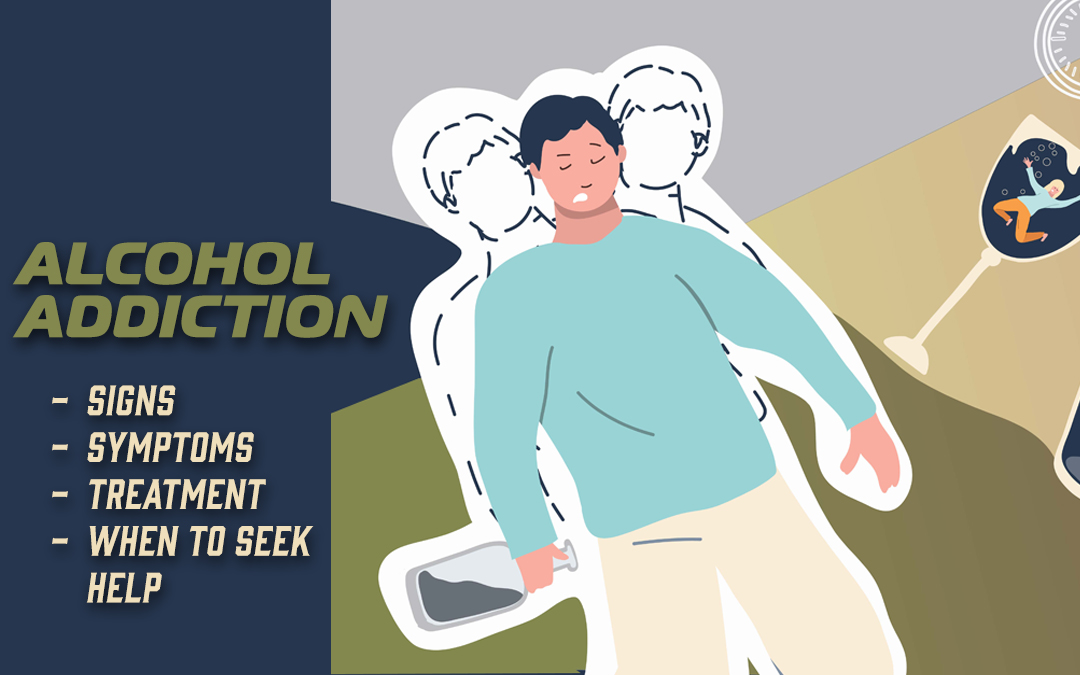
Alcohol Addiction: More Than Just a Drinking Problem
For many people, alcohol begins as a way to relax, celebrate, or cope with stress. However, what starts as occasional drinking can gradually turn into dependence, affecting physical health, mental well-being, relationships, and career.
Alcohol addiction, medically known as Alcohol Use Disorder (AUD), is a condition where a person loses control over their drinking despite experiencing negative consequences. It is recognized as a treatable medical condition, not a lack of willpower or a personal failure. Research shows that alcohol addiction affects the brain’s reward and decision-making systems, making it increasingly difficult for individuals to stop drinking on their own.
The good news is that recovery is possible with the right treatment, support, and professional guidance.
What Is Alcohol Addiction?
Alcohol addiction occurs when a person develops a physical and psychological dependence on alcohol. Over time, the body adapts to regular alcohol consumption, leading to cravings and withdrawal symptoms when drinking stops.
A person struggling with alcohol addiction may continue drinking even when it causes serious problems in their health, relationships, work, finances, or daily life.
Common Symptoms of Alcohol Addiction
Recognizing the warning signs early can make treatment more effective.
Physical Symptoms
- Increased tolerance to alcohol (needing more alcohol to feel the same effects)
- Frequent hangovers
- Tremors or shaking when not drinking
- Sweating, nausea, or headaches without alcohol
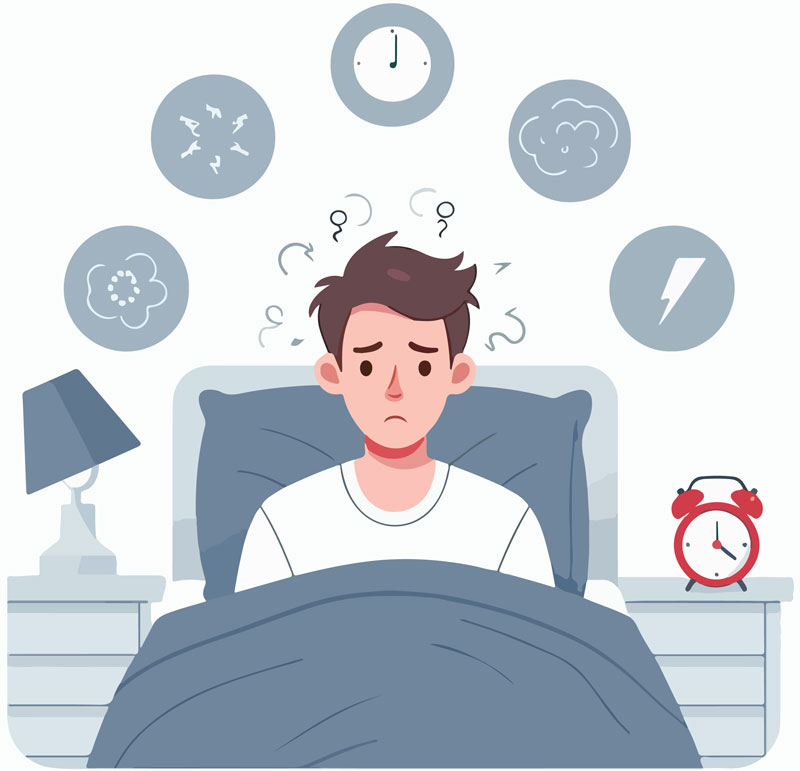
- Sleep disturbances
- Fatigue and lack of energy
Behavioral Symptoms
- Drinking alone or in secret
- Inability to limit alcohol consumption
- Neglecting responsibilities at work, school, or home
- Continuing to drink despite relationship conflicts
- Prioritizing alcohol over hobbies and social activities
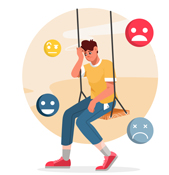
Emotional and Psychological Symptoms
- Strong cravings for alcohol
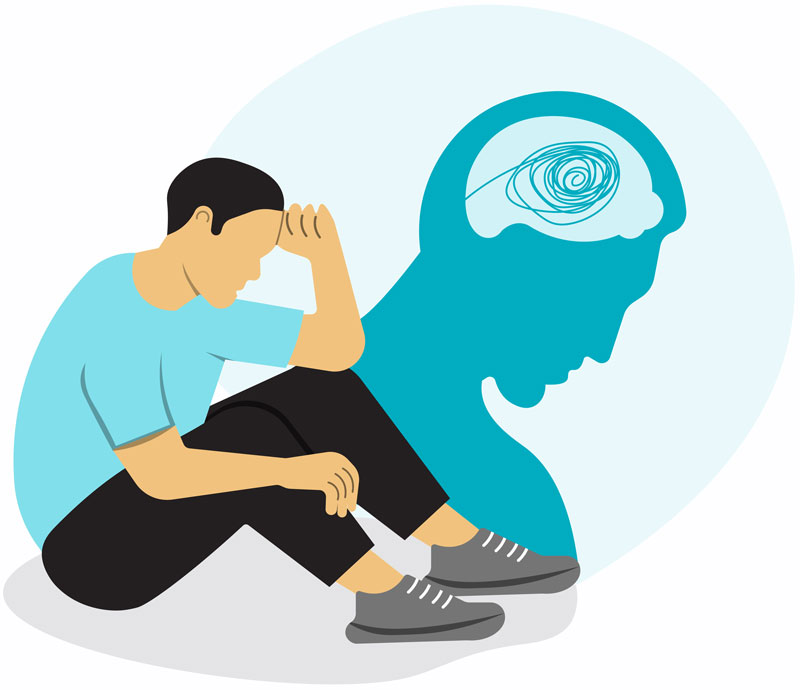
- Anxiety, irritability, or depression
- Mood swings
- Difficulty concentrating
- Loss of interest in activities once enjoyed
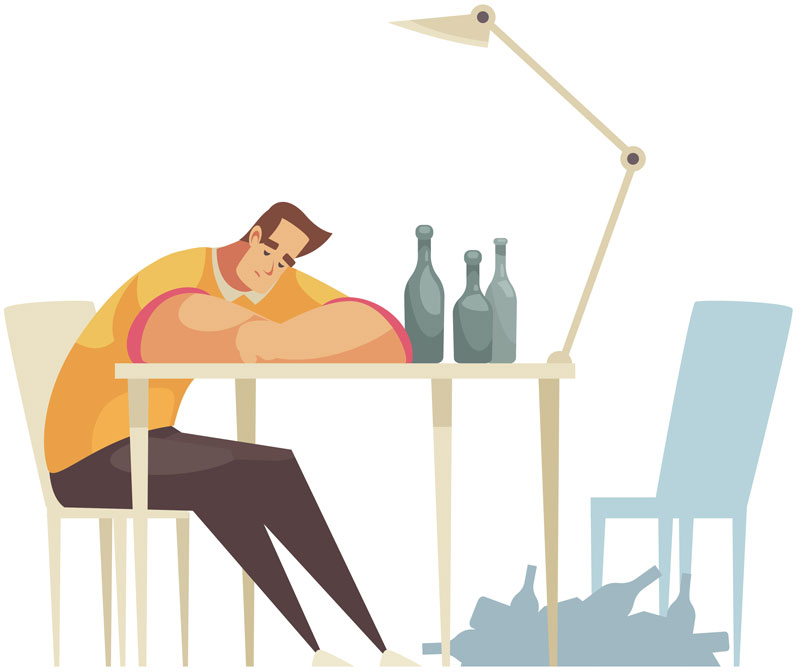
Severe Warning Signs
- Memory blackouts
- Withdrawal symptoms when attempting to stop
- Drinking first thing in the morning
- Failed attempts to quit drinking multiple times
If several of these symptoms are present, professional assessment and treatment may be necessary.
When Should You Seek Help?
Many individuals delay treatment because they believe they can stop drinking whenever they choose. Unfortunately, addiction often progresses over time.
It may be time to seek professional help if:

Alcohol is affecting your health.
Family members are expressing concern.
Your work or studies are suffering.
You experience cravings or withdrawal symptoms.
You have tried to quit but repeatedly relapse.
Alcohol is causing financial, legal, or relationship problems.
You feel unable to enjoy life without drinking.
Seeking help early can prevent serious complications such as liver disease, heart problems, mental health disorders, accidents, and family breakdowns.
Alcohol Addiction Treatment: What Works?
Recovery from alcohol addiction is possible through evidence-based treatment programs that address both physical dependence and psychological factors. Professional treatment significantly improves the chances of long-term recovery.
Medical Detoxification
The first step often involves safely removing alcohol from the body under medical supervision. This helps manage withdrawal symptoms and reduces health risks.

Individual Counseling
Therapy helps individuals identify triggers, develop coping skills, and address the emotional causes behind addiction.

Family Counseling
Addiction affects the entire family. Family therapy helps rebuild trust, improve communication, and strengthen support systems.

Relapse Prevention Training
Individuals learn practical strategies to manage cravings, avoid triggers, and maintain sobriety long-term.

Holistic Recovery Programs
Many rehabilitation centres incorporate yoga, meditation, fitness activities, and life-skills training to support complete healing of mind and body.
Recovery Is Possible
One of the biggest myths about alcohol addiction is that recovery is impossible. In reality, thousands of people successfully overcome alcohol dependence every year through proper treatment and ongoing support. Recovery is a journey that begins with a single decision: asking for help.
The earlier treatment begins, the better the chances of rebuilding health, restoring relationships, and creating a healthier future.
Take the First Step Today
If you or someone you love is struggling with alcohol addiction, don’t wait for the problem to become worse. Professional help can make all the difference.
Nav Jeevan Kendra De-addiction & Rehabilitation Centre
Treatment Programmes with High Success Rates
- Medical & Psychological Support
- Individual & Group Counseling
- Relapse Prevention Programs
- Family Support & Recovery Guidance
- Professional Rehabilitation Services
- 24-Hour Helpline: +91 9636907788
Your recovery journey can start today. One call can change a life.